
The Anarres Famine as a Social Test
The DispossessedThe drought and famine test Anarres’s mutual-aid institutions, reveal their limits, and intensify the conflict over labor and individual choice.
increasing Bearing strength in each event
 decreasing
Bearing strength in each eventdecreasingThe Rain Fails
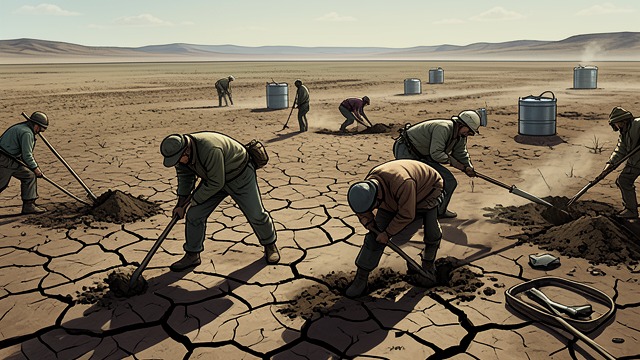
Scarcity Advances
A long drought
Rainfall fails across Anarres, first threatening crops and then reducing food supplies. The society begins rationing water and organizing emergency labor.
A challenge to shared life
The crisis makes the planet’s ecological limits impossible to ignore. Mutual aid is no longer an ideal tested in ordinary conditions; it becomes a daily requirement for survival.
Rationing and Drafts
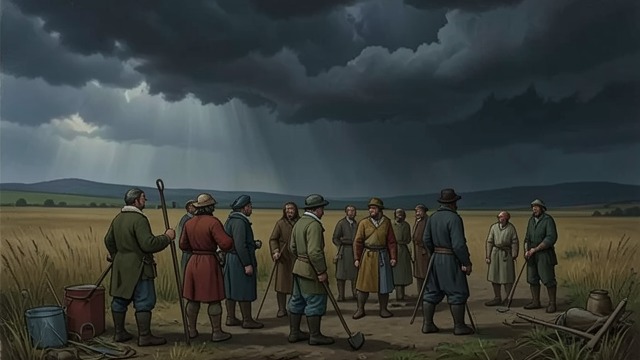
The Economy Reorganized
Work expands, food contracts
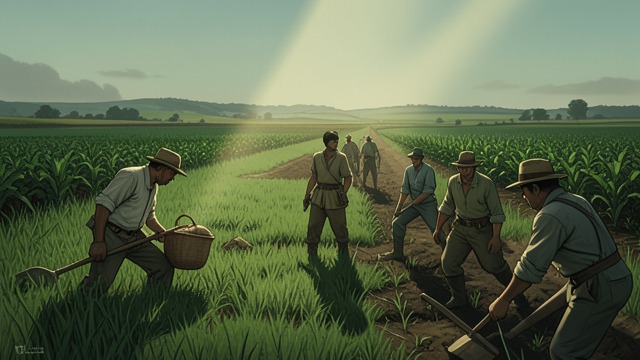
PDC calls for urgent farm labor and shorter workdays as food supplies tighten. People volunteer and accept postings in regions where crops might still grow.
Solidarity under pressure
Many respond with energy and cooperation, but emergency procedures increase centralized coordination. The measures that save lives may also leave behind habits of control.
The Institute Cuts Back
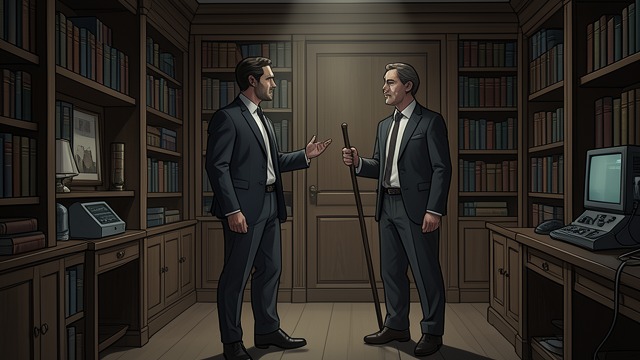
Science Declared Nonessential
A staffing reduction
Sabul tells Shevek that the Institute must focus on practical work and releases him from his position. The crisis gives institutional decisions a powerful justification.
A political consequence
Shevek accepts another emergency assignment, but the decision raises the question of whether scarcity is merely constraining research or also reinforcing established authority.
Children Sent North
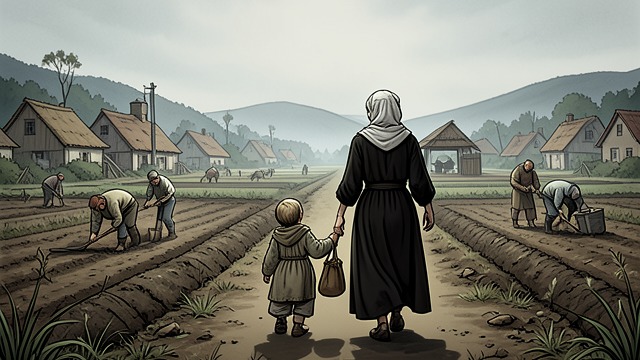
Families Dispersed
A survival decision
Children are moved away from the hardest-hit regions toward places with food or a chance of growing it. Parents continue working under difficult conditions.
The cost of necessity
Takver and Shevek’s separation becomes part of a wider pattern affecting many families. The society can distribute labor and food, but it cannot prevent the grief of being apart.
The Drought Breaks
Survival Is Not Recovery
Rain returns
The drought finally breaks, but the economy remains damaged and emergency postings continue. Food becomes more adequate only gradually.
A changed society
The crisis leaves people with memories of hunger, work, and separation. Shevek later worries that emergency administration may have become a permanent structure rather than a temporary response.
Beginning in the summer of year 163
During the first year of the worsening drought
After Shevek returns from a farm posting
During the most severe years of the famine
In winter of year 167
